THE MISSING
VOICES
South Africa has 11 official languages and a population of over 62 million people. Netflix South Africa represents a fraction of that reality.
11
Official Languages
2–3
Languages on Netflix SA
62M+
South Africans
~5%
Rural Stories Told
THE REAL SOUTH AFRICA
vs. What Netflix Shows
According to the 2022 Statistics South Africa Census, the country's linguistic landscape is vastly diverse. Netflix South Africa's catalogue reflects almost none of it.
11 Official Languages by Population
Source: Statistics South Africa, Census 2022. Language spoken most often at home
The Majority is Invisible
isiZulu is spoken by 25.3% of South Africans, the largest language group in the country. Yet Netflix South Africa produces almost no original content in isiZulu. The most spoken language is the least represented.
English Dominates at 8.1%
English is the home language of only 8.1% of South Africans, yet it dominates Netflix SA's original productions. This is a structural inversion: the minority language holds the majority of screen time.
Rural South Africa: Off-Screen
Approximately 38% of South Africans live in rural areas. Netflix SA's original content is almost exclusively set in Cape Town and Johannesburg, erasing the lived realities of millions.
"The Politics of Presence asks not only who is in the room, but whose language fills the room."
— Adapted from Anne Phillips, 1995
NETFLIX SA vs. SHOWMAX
A comparison of original South African content reveals a stark difference in whose stories are told, in which languages, and from which communities.
Netflix South Africa Originals
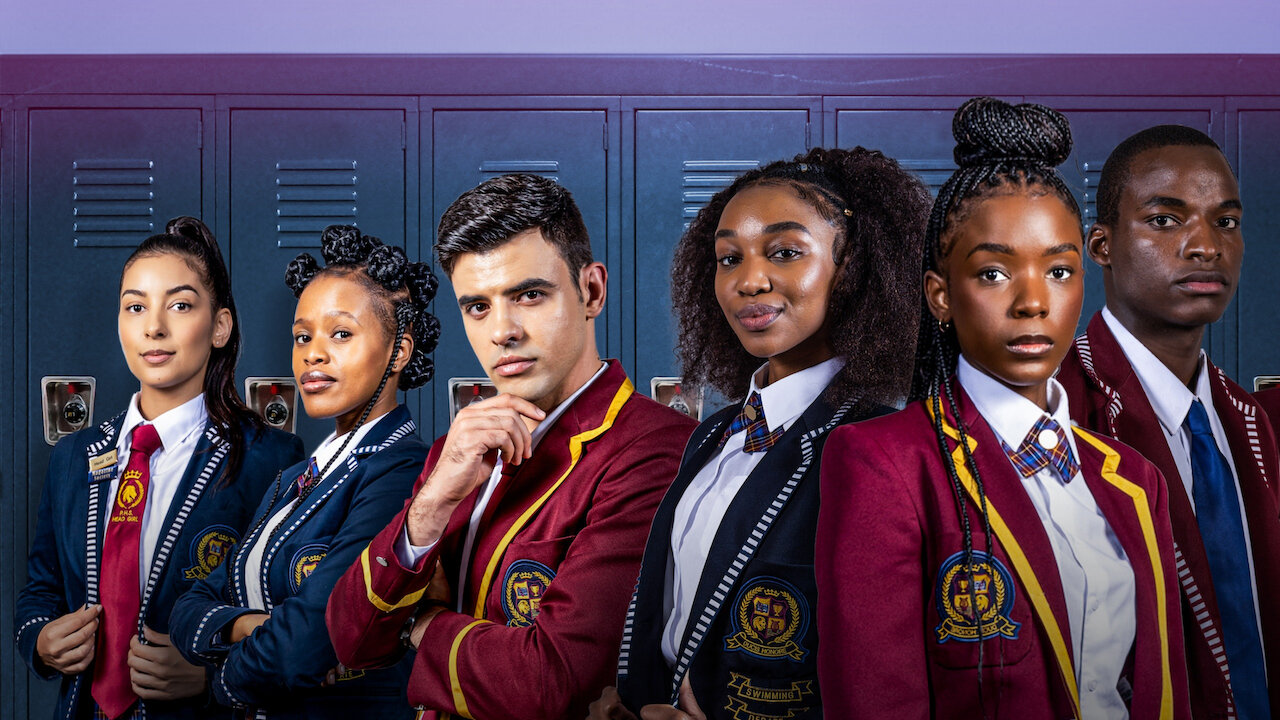
Blood & Water
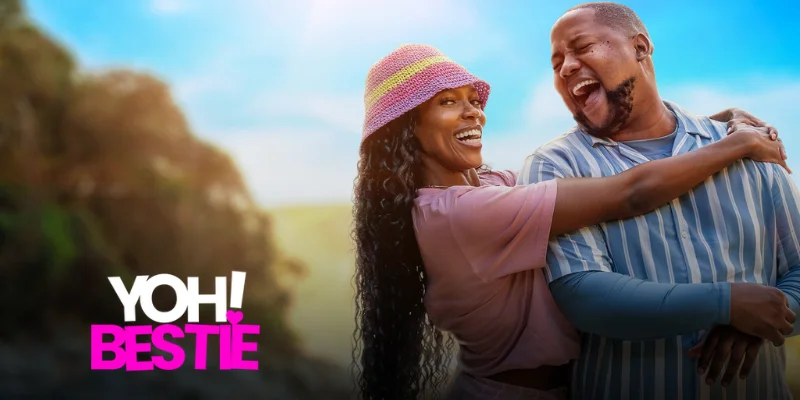
Yoh! Bestie
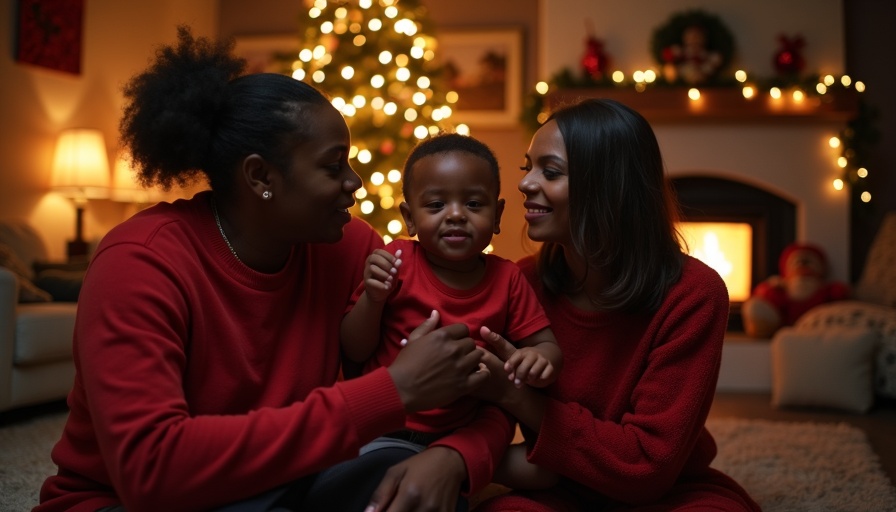
How to Ruin Christmas

Savage Beauty
Pattern: English-dominant, urban settings (Cape Town / Johannesburg), middle-class and elite communities. Rural, township, and non-English communities are structurally absent.
Showmax South African Content
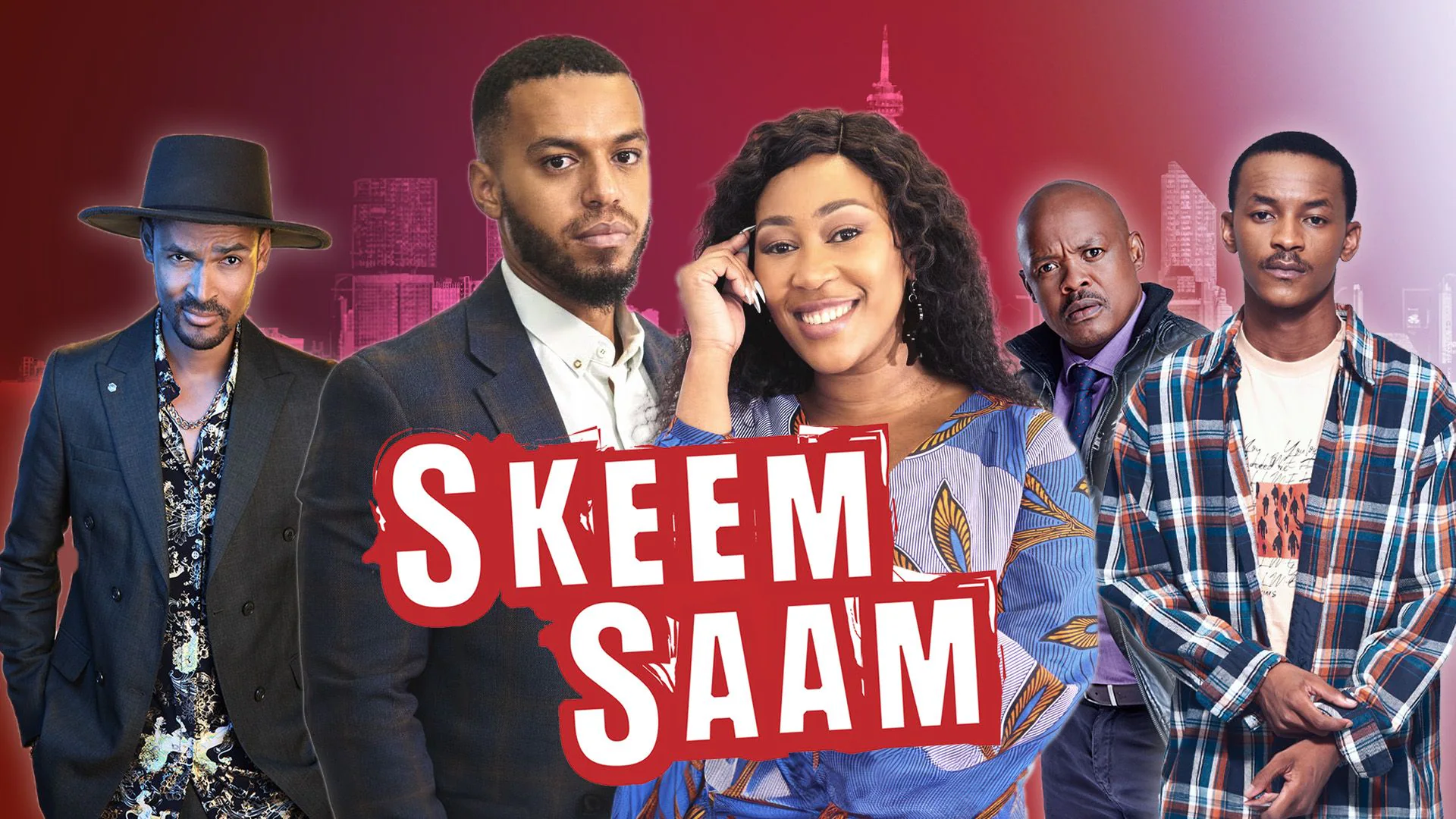
Skeem Saam

Uzalo
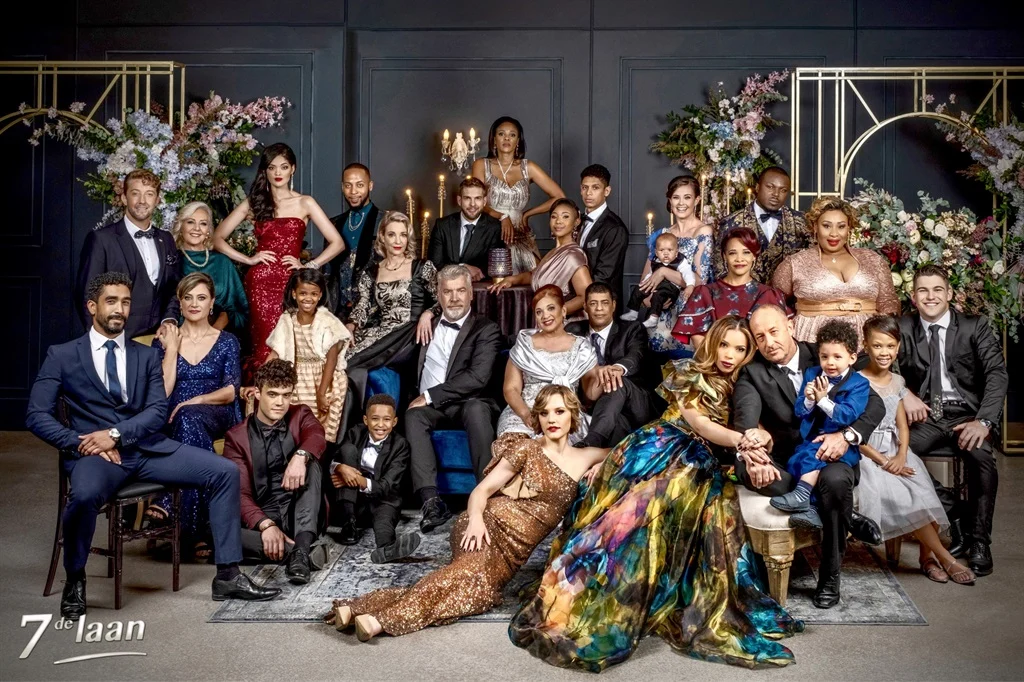
7de Laan
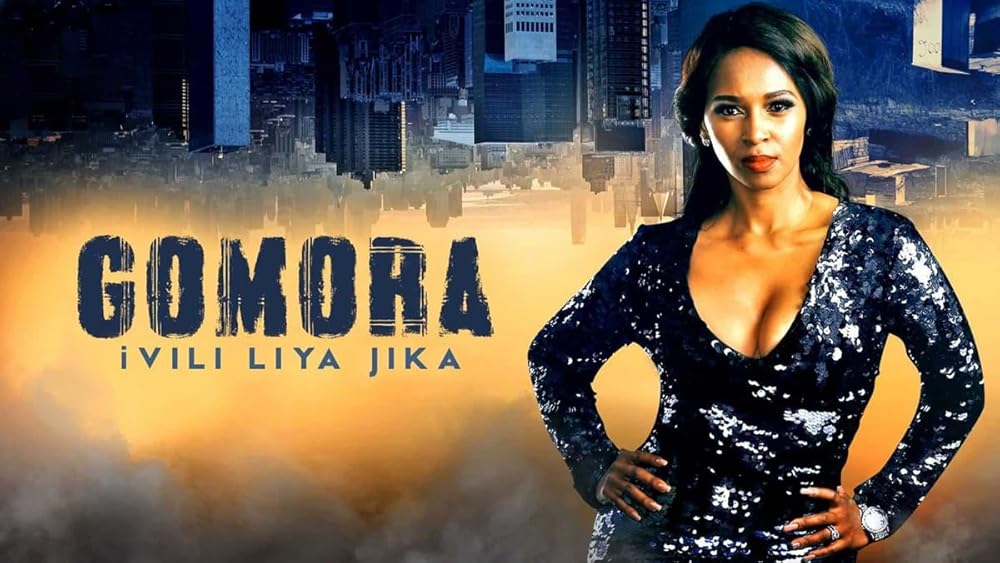
Gomora
Pattern: Multilingual content including isiZulu, Sepedi, and Afrikaans. Township and rural settings are represented. Working-class and diverse community stories are centred.
Side-by-Side Comparison
| Dimension | Netflix SA | Showmax |
|---|---|---|
| Primary Language | English | isiZulu, Sepedi, Afrikaans, English |
| Settings | Cape Town, Johannesburg (elite) | Townships, rural areas, suburbs |
| Class Representation | Middle-class to elite | Working-class, township, mixed |
| Rural Stories | Virtually absent | Regularly featured |
| Afrikaans Content | Minimal / absent | Dedicated shows (7de Laan) |
| Indian SA Stories | Absent | Limited but present |
| Coloured SA Stories | Absent | Limited but present |
WHO IS LEFT OUT
AND WHY IT MATTERS
Using Anne Phillips' Politics of Presence framework, we examine four communities whose absence from Netflix SA is not accidental. It is structural.
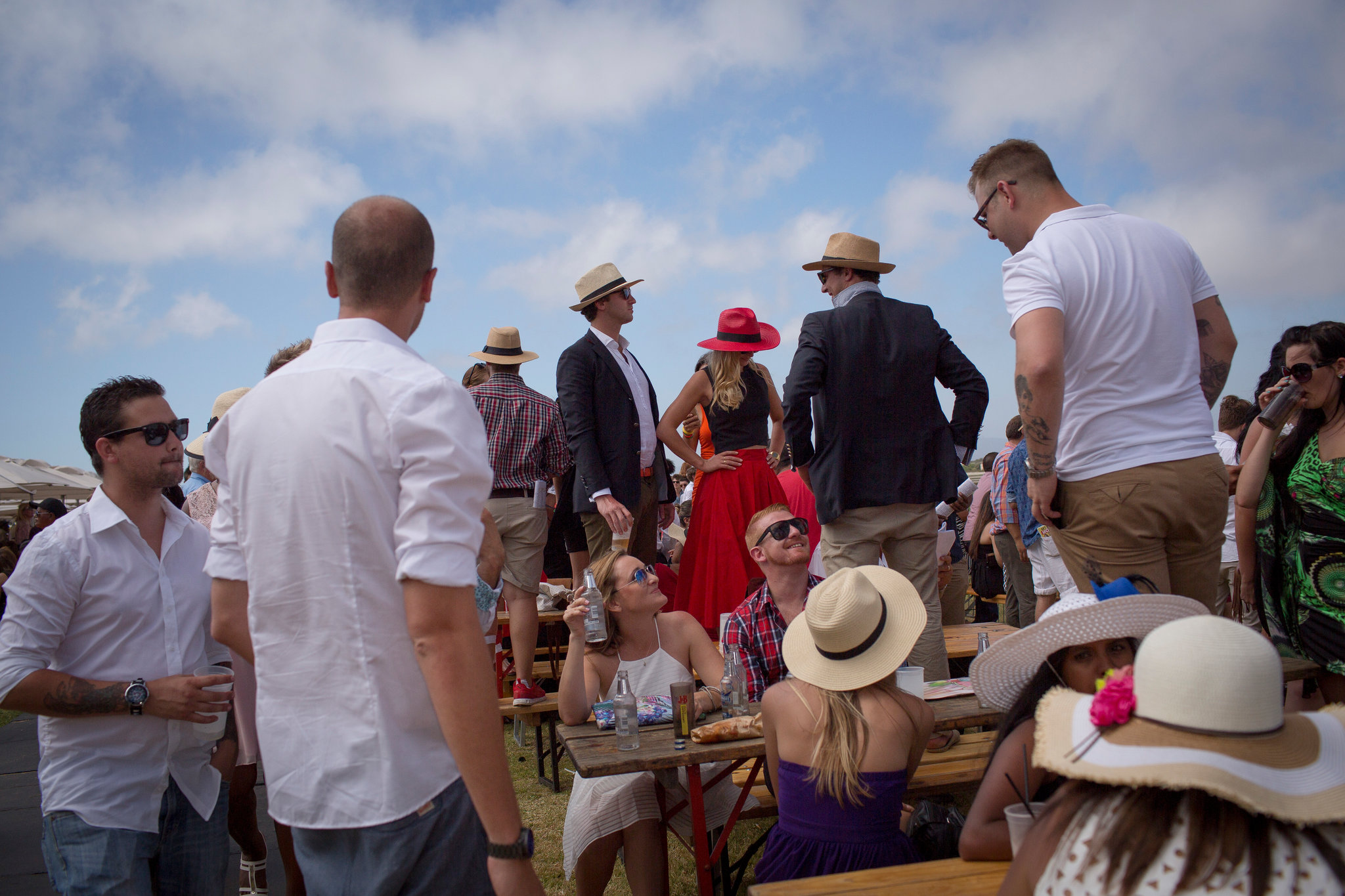
12.2%
of SA speaks Afrikaans at home
The Afrikaans Silence
12.2% of South Africans: Invisible on Netflix SA
Afrikaans is spoken by 12.2% of South Africans, the third most spoken home language in the country. It is a language with deep roots in Cape Malay, Khoikhoi, and Dutch heritage, spoken across racial and class lines.
Despite this, Netflix South Africa produces virtually no original Afrikaans-language content. This is not a neutral omission. It reflects a global platform's prioritisation of English as the language of prestige and international marketability.
The absence of Afrikaans on Netflix SA erases not only a language but an entire cultural identity, spanning the Cape Flats, the Karoo, and communities across the Western Cape.
"Language is not just communication. It is identity, memory, and belonging."
38%
of SA lives in rural areas
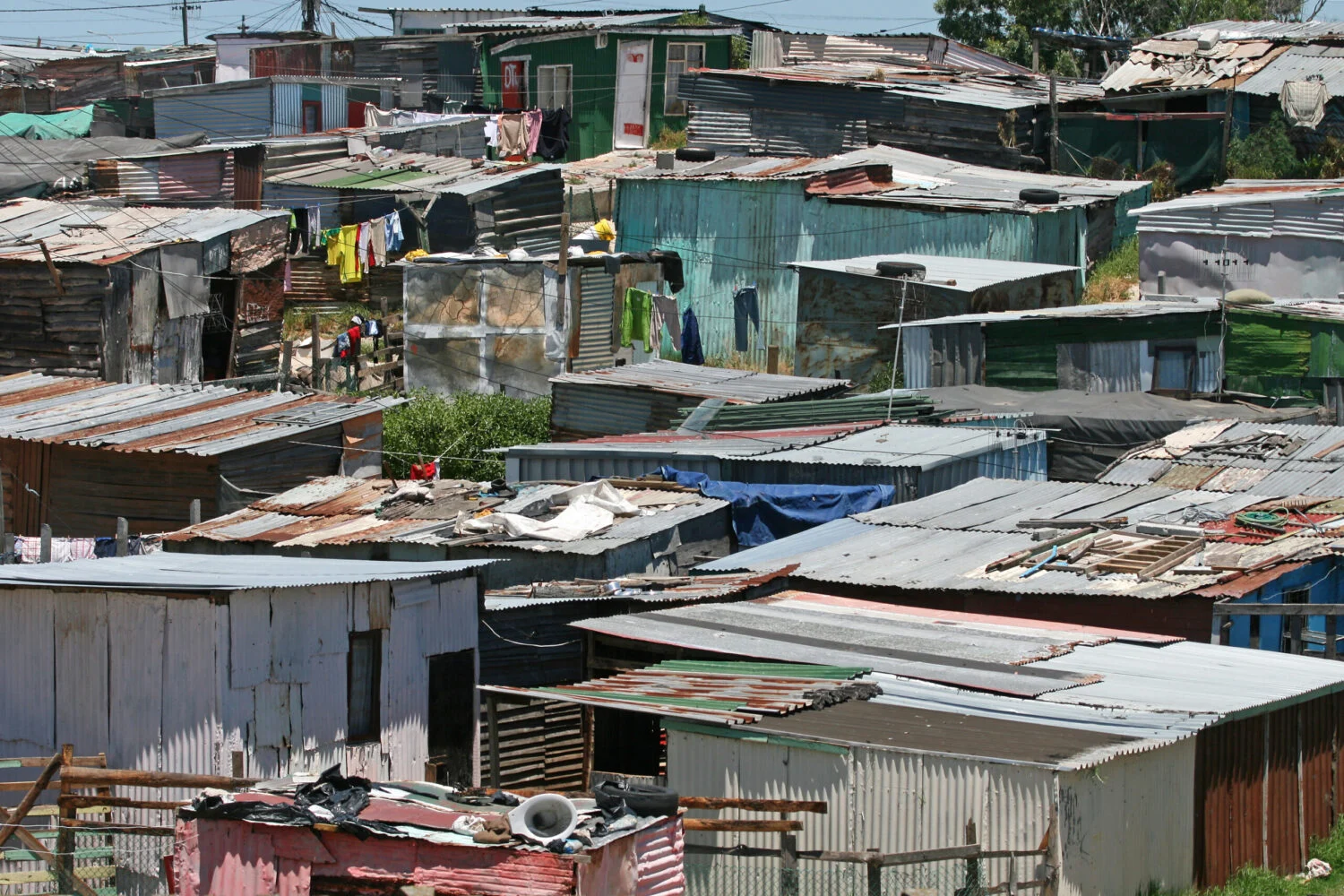
Rural South Africa: Off the Map
38% of South Africans live rurally. Netflix shows 0%
Approximately 38% of South Africans live in rural areas, in villages, homesteads, and small towns far from Cape Town and Johannesburg. These communities speak isiZulu, Sepedi, Xitsonga, Tshivenda, and other languages.
Netflix South Africa's original content is almost exclusively set in urban environments. The rural experience, its challenges, its beauty, its languages and its stories, is structurally absent from the platform.
This geographic bias reinforces the idea that only urban, cosmopolitan life is worth telling stories about. Rural South Africans are rendered invisible not by accident, but by the logic of a platform optimised for global, English-speaking audiences.
"To be absent from the screen is to be told your story does not matter."
1.3M+
Indian South Africans
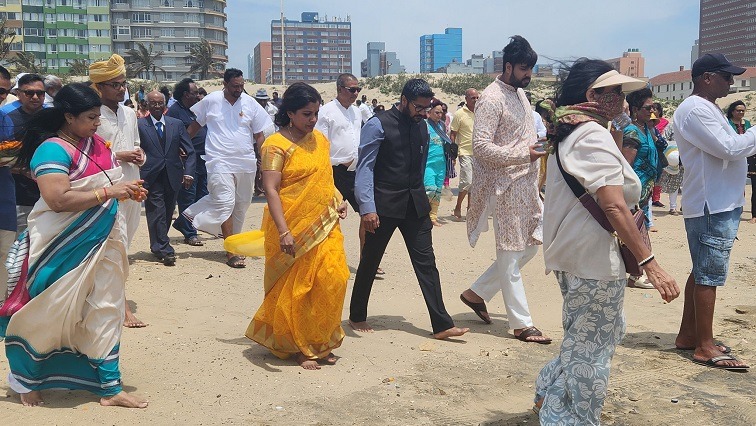
Indian South Africans: A Forgotten Narrative
1.3 million people: Near-absent from Netflix SA
Indian South Africans make up approximately 2.6% of the population, over 1.3 million people, with a rich cultural heritage rooted in KwaZulu-Natal, particularly Durban. Their history of indentured labour, resistance, and cultural contribution is a vital part of South Africa's story.
Netflix South Africa has produced almost no content that centres Indian South African experiences, languages (Tamil, Hindi, Gujarati), or cultural practices. This community's stories remain largely untold on the platform.
The underrepresentation of Indian South Africans reflects a broader pattern: Netflix SA's content tends to centre Black urban experiences or white-adjacent narratives, leaving entire communities in the margins.
"Representation is not charity. It is recognition of existence."
8.9%
of SA identifies as Coloured
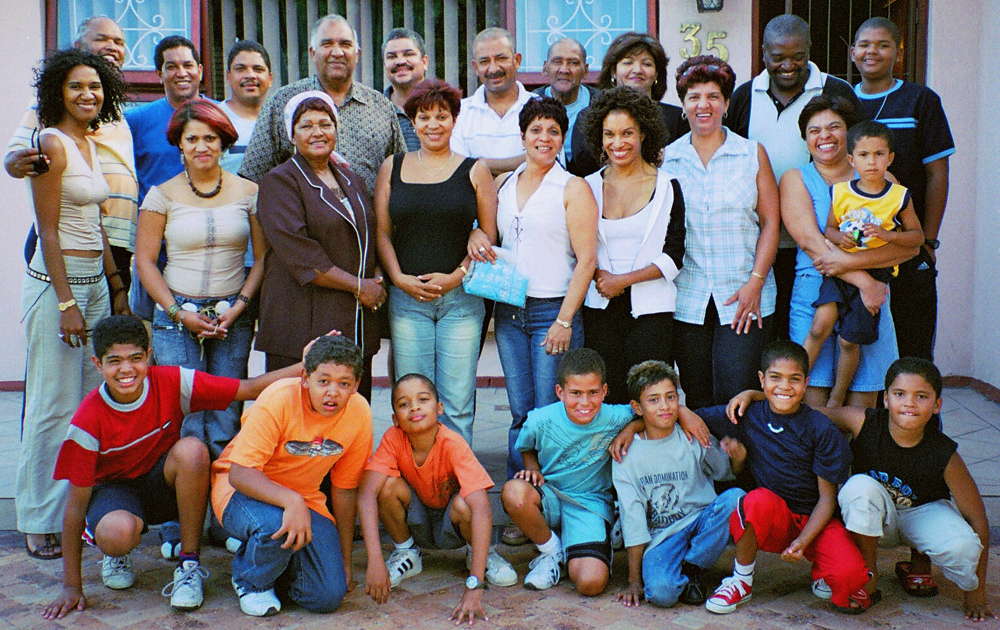
Coloured South Africans: Between the Frames
8.9% of South Africans: Structurally marginalised
Coloured South Africans, a diverse community with roots in Khoikhoi, Malay, Bantu, and European heritage, make up 8.9% of the population. Many are Afrikaans-speaking and live in the Western Cape, particularly in communities like Mitchell's Plain and the Cape Flats.
Their stories, languages, and lived experiences are almost entirely absent from Netflix South Africa's original content. The Cape Flats, one of the most densely populated and culturally rich areas in South Africa, has produced no Netflix original.
This absence is doubly significant: Coloured South Africans were marginalised under apartheid and continue to be marginalised in post-apartheid media representation. Netflix SA's content reproduces this historical exclusion.
"The frame does not just show. It decides who is worth showing."
REAL SOUTH AFRICA
vs. NETFLIX SOUTH AFRICA
The gap between who South Africans are and who Netflix shows them to be is not a technical limitation. It is a political choice.
REAL SOUTH AFRICA
Stats SA 202211 official languages
Constitutionally recognised
38% rural population
Limpopo, Eastern Cape, KZN
isiZulu: 25.3%
Largest language group
Diverse geographies
Townships, villages, farms
Multilingual daily life
Code-switching is the norm
Indian, Coloured, Khoisan
Distinct cultural identities
Cape Flats, Soweto, Khayelitsha
Densely populated communities
Rural languages thrive
Tshivenda, Xitsonga, siSwati
NETFLIX SOUTH AFRICA
Original ContentEnglish dominates
Primary language of originals
Urban settings only
Cape Town & Johannesburg
Elite & middle-class
Private schools, luxury homes
Two cities, one story
Geographic monoculture
Monolingual narratives
English as default
Indian & Coloured absent
Structural invisibility
Cape Flats invisible
No Netflix SA originals
Rural languages silenced
Zero rural language shows
The Frame Is a Political Act
Every decision about what to include in a Netflix original is also a decision about what to exclude. The consistent exclusion of rural communities, non-English languages, and marginalised racial groups is not a coincidence. It is the result of a platform logic that prioritises global marketability over local representation.
"Representation is never neutral. Every choice to include is also a choice to exclude."