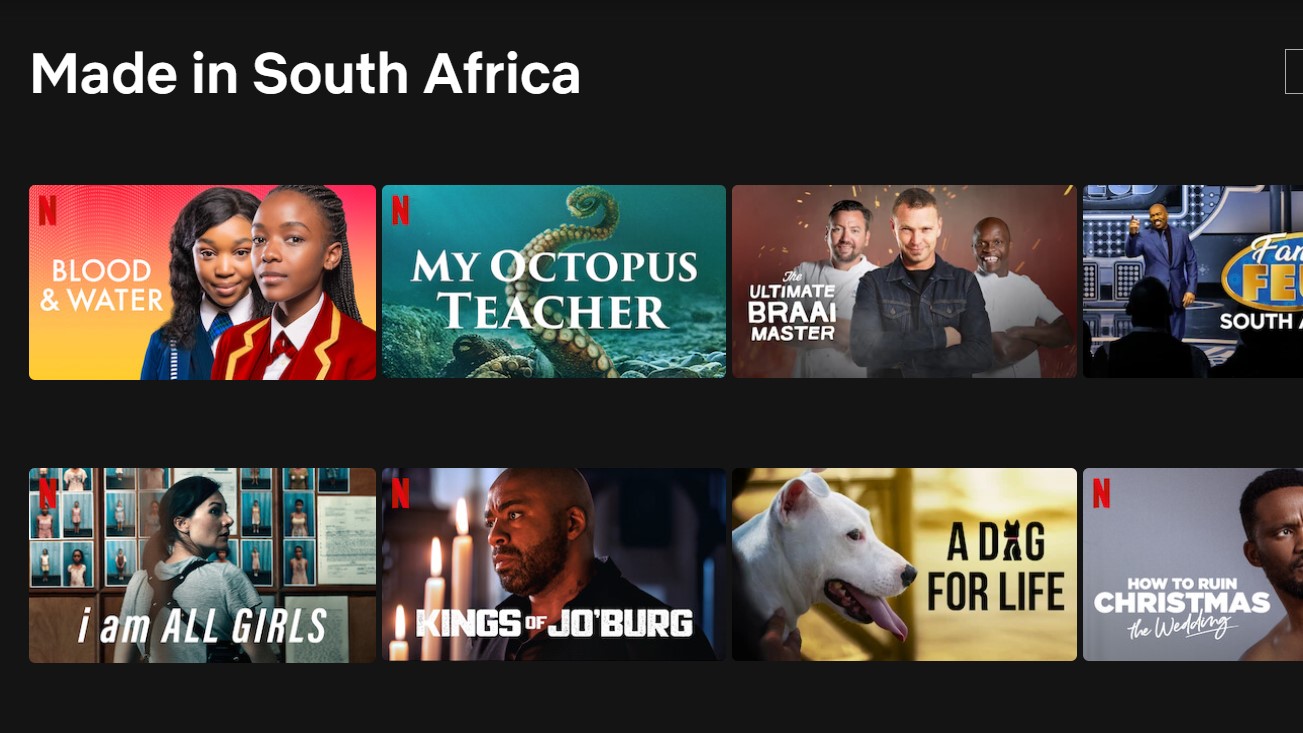
Blood & Water
Representation, Language & Power in Netflix South Africa's flagship drama series.
Watch the Trailer
Experience the drama and intrigue of Blood & Water - Netflix's South African teen crime thriller series.
Show Overview
Blood & Water (2020–) is Netflix South Africa's most prominent original series. Set at the fictional Parkhurst College, an elite Cape Town private school, the show follows Puleng Khumalo as she investigates whether a fellow student is her long-lost sister.
On the surface, the show appears to represent a diverse South Africa: a Black protagonist, a multiracial cast, and a Cape Town setting. But a closer reading reveals a more complex and troubling picture.
The Language of Power
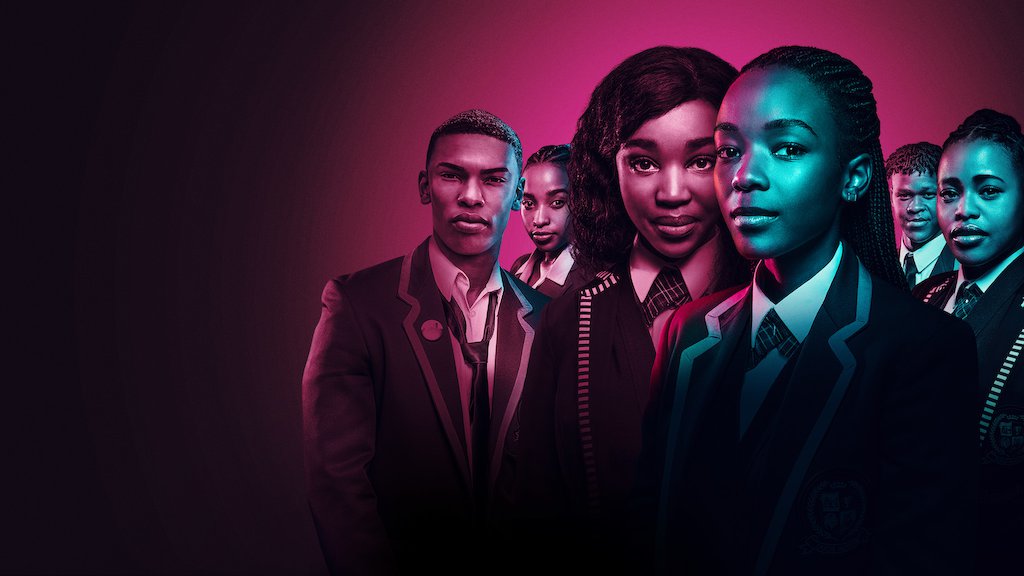
Despite South Africa having 11 official languages, Blood & Water is conducted almost entirely in English. Characters occasionally use isiXhosa or Afrikaans phrases, but these function as cultural flavouring, never as the primary medium of communication.
This linguistic choice is not neutral. English is the language of the elite, of private schools, of upward mobility. By making English the default, the show encodes a particular class position as the norm and renders other language communities peripheral.
"Language is not merely a tool of communication. It is a site of power." Fairclough, 1989

Class & Setting
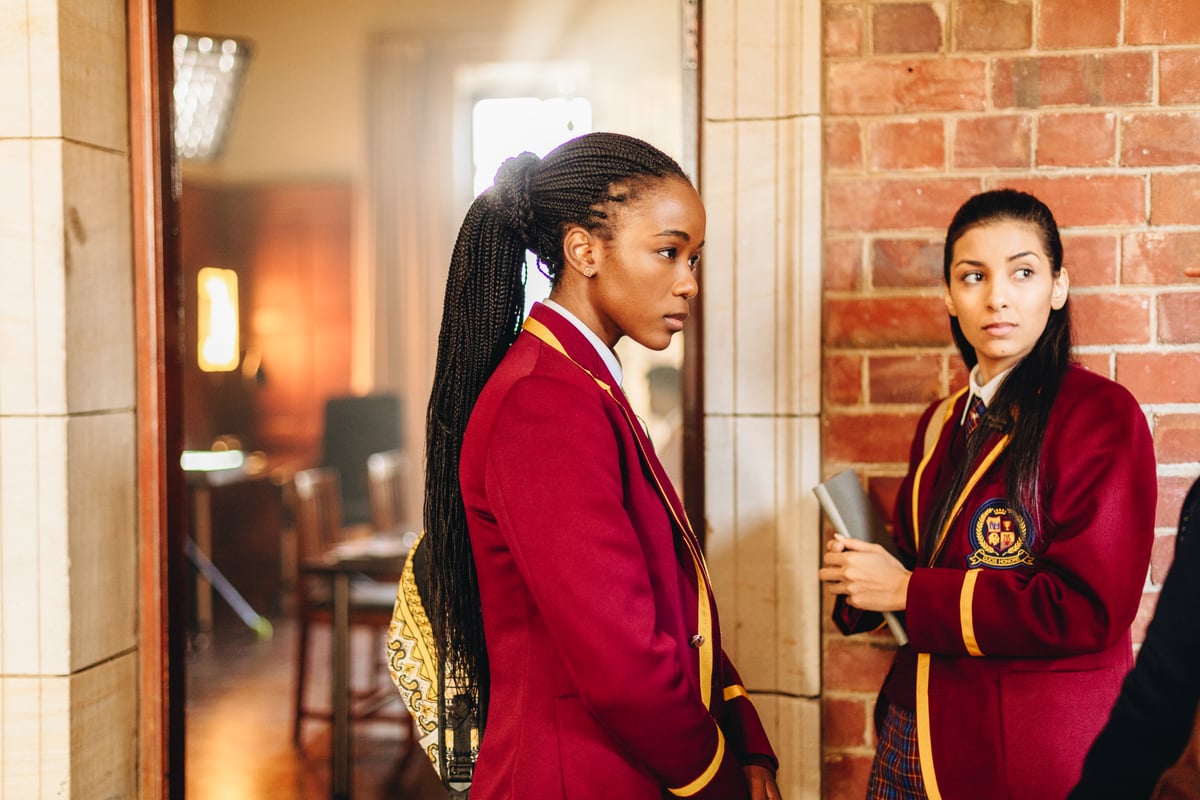
The show is set almost exclusively in spaces of privilege: a private school, luxury homes, upscale restaurants, and a yacht club. Working-class and township settings appear only briefly, usually as sites of danger or contrast.
This spatial politics reinforces a class hierarchy. The aspirational gaze of the camera is directed upward, toward wealth, toward English, toward a version of South Africa that most South Africans do not inhabit.
The show's visual grammar, its lighting, its costume, its architecture, all speak the language of the middle class. To watch Blood & Water is to be invited into a world that excludes the majority.
Race & Representation
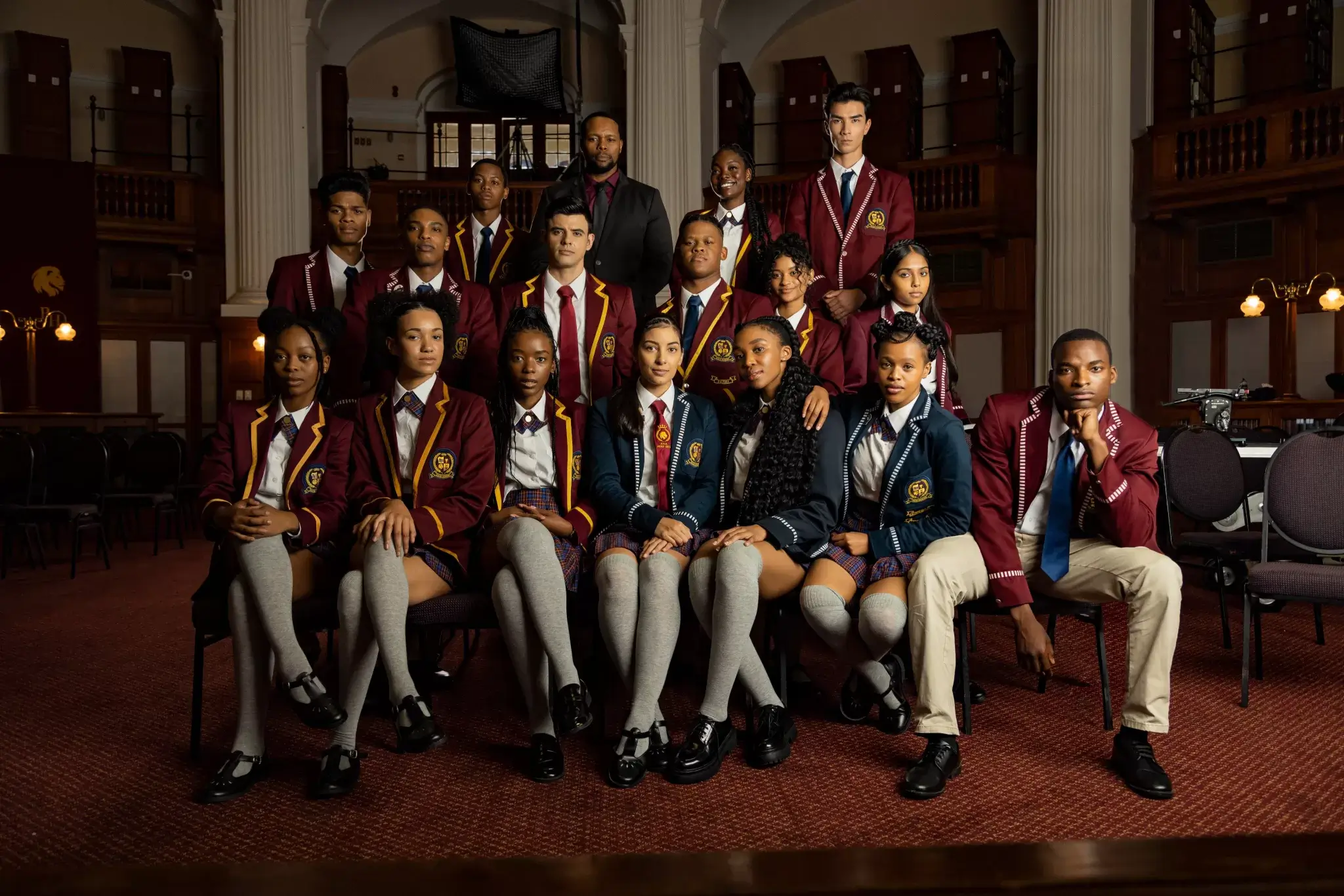
Blood & Water features a predominantly Black cast, a deliberate and significant choice. Yet the show's representation of Blackness is filtered through a particular lens: aspirational, English-speaking and middle-class.
This is what scholars call "post-racial" representation, the inclusion of Black bodies in spaces of privilege, without interrogating the structures that created those spaces. The show represents Black South Africans, but only a very specific kind.
The result is a form of representation that is simultaneously progressive and limiting, visible but on the terms of the dominant culture.
Summary
Key Analytical Points
English as Default
Despite 11 official languages, English dominates all dialogue. Other languages appear only as cultural markers, never as primary communication.
Elite Spaces Only
Private schools, luxury homes, yacht clubs. The show's geography excludes townships, rural areas, and working-class spaces.
Aspirational Gaze
The camera looks upward, toward wealth and privilege. This positions middle-class life as the aspirational norm for all viewers.
Selective Blackness
Black characters are represented, but only through a middle-class, English-speaking lens, a form of inclusion that excludes.
Cape Town Bias
The show centres Cape Town, erasing the diversity of South Africa's other provinces, cities, and rural communities.
Silent Languages
isiZulu, Sesotho, Setswana, and other languages are absent. Their silence is not accidental. It is structural.