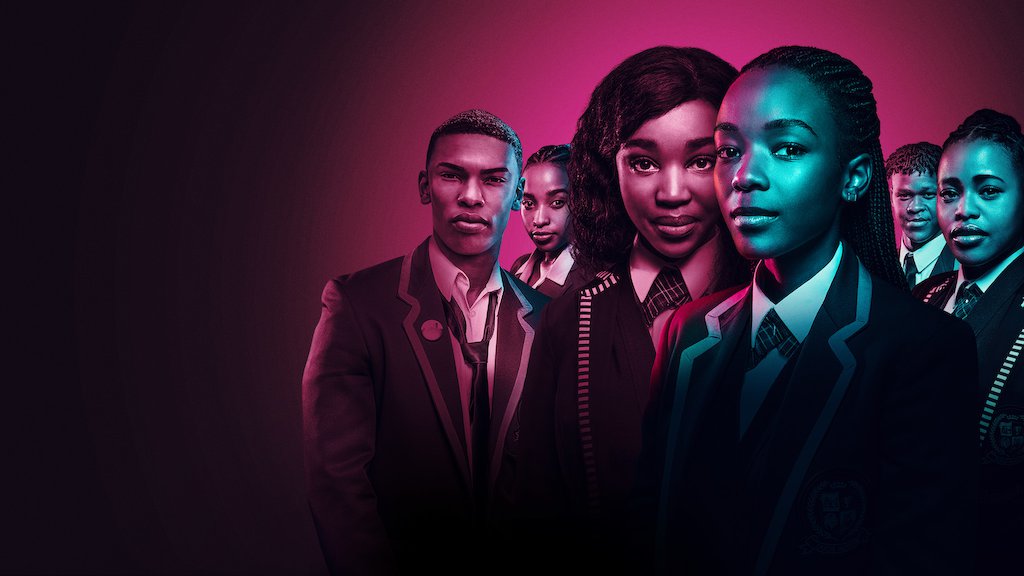
Academic Analysis · Netflix South Africa
Left Outof theFrame
Netflix South Africa presents a selective version of the country, where English-speaking, urban, and middle-class identities dominate, while many communities and languages remain invisible.
EXPLORE THE ANALYSIS
Click any section to begin your investigation
Central Argument
Representation is never neutral.
Netflix South Africa positions itself as a platform for all South Africans. Yet its content catalogue tells a different story, shaped by class, language, and geography.
Through close analysis of Blood & Water and Yoh! Bestie, this artefact examines how the platform constructs a selective national identity, one that centres English, urban spaces, and middle-class aspirations.
The communities and languages that fall outside this frame are not simply absent. Their absence is itself a political act.
Analytical Framework
Three Lenses of Analysis
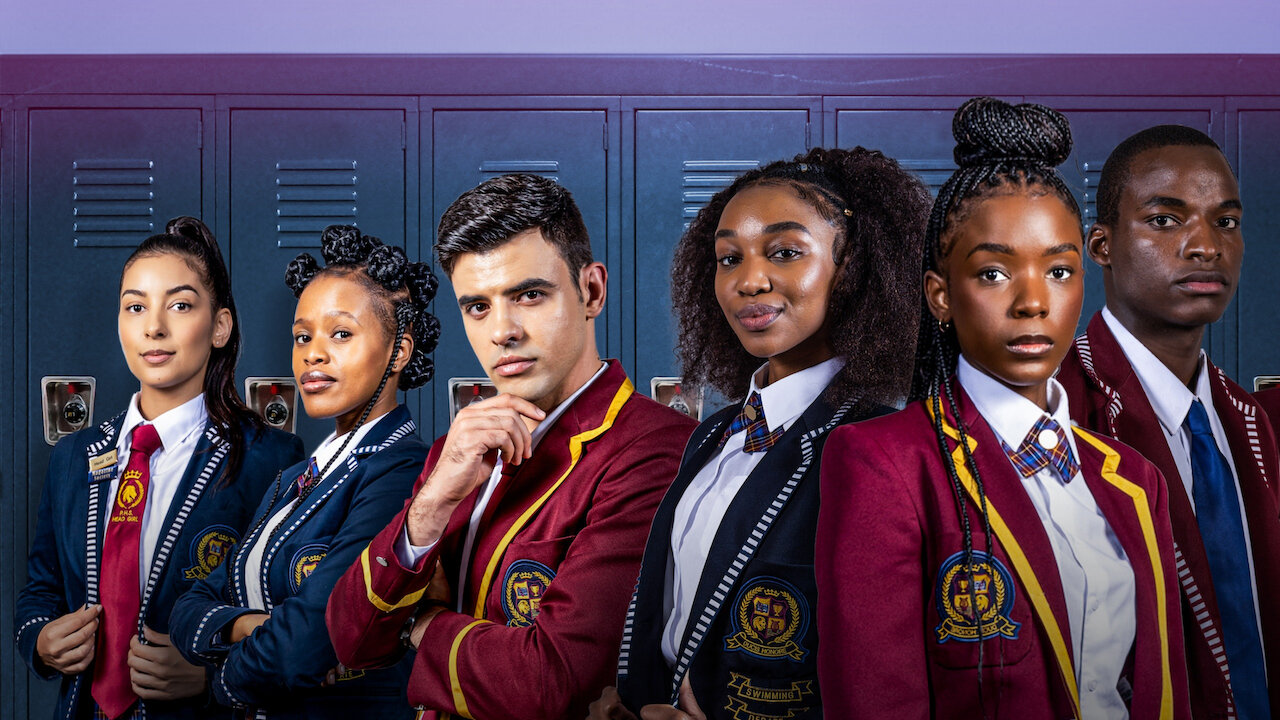
Representation
Who appears on screen? Netflix SA originals consistently feature light-skinned, English-speaking, urban South Africans. The visual grammar of the platform encodes a particular version of "South African-ness" that excludes the majority.
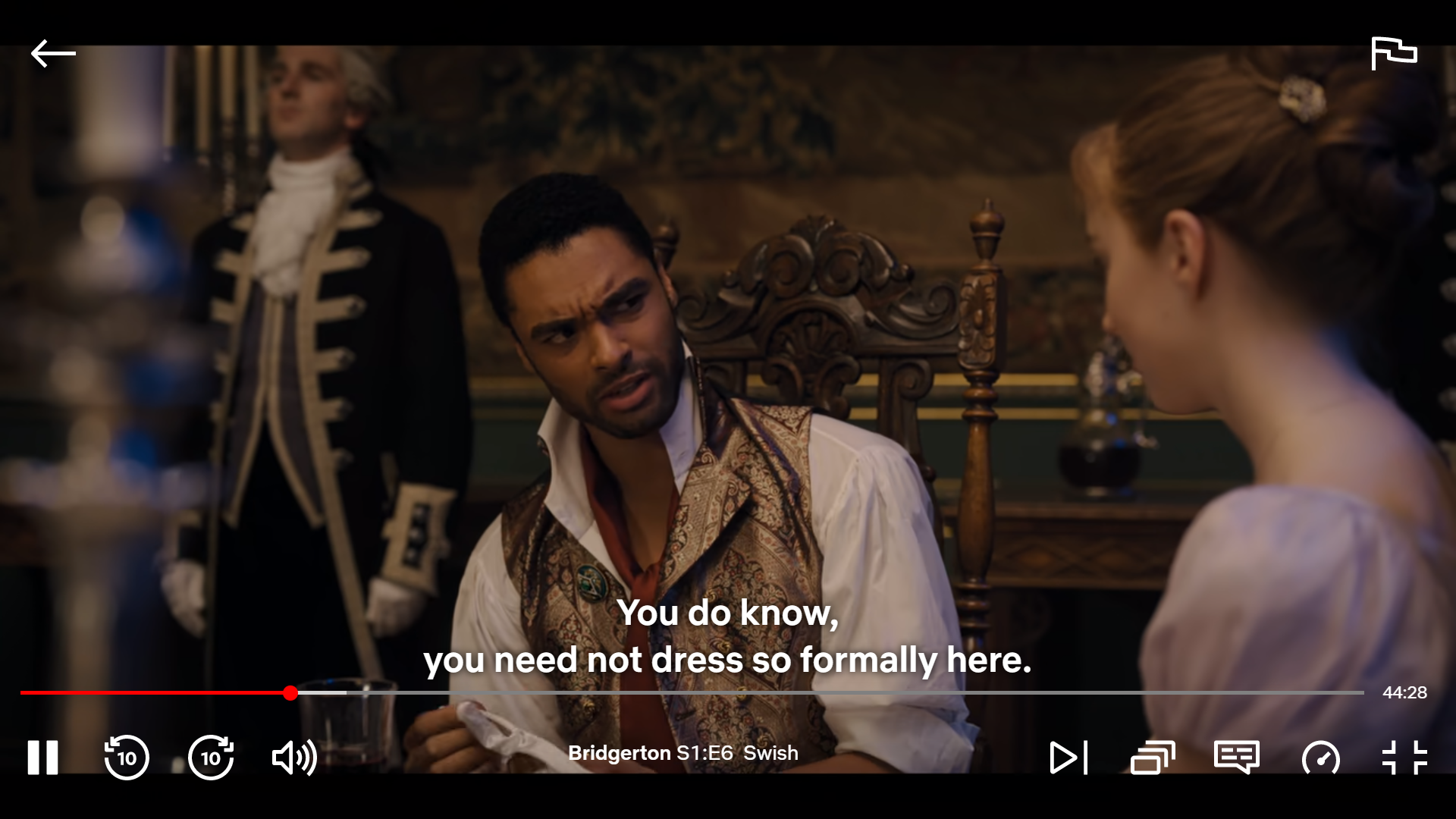
Language
English dominates Netflix SA content. isiZulu, isiXhosa, Sesotho, and other indigenous languages appear only as background noise, never as the primary language of storytelling. Language is power, and power speaks English.
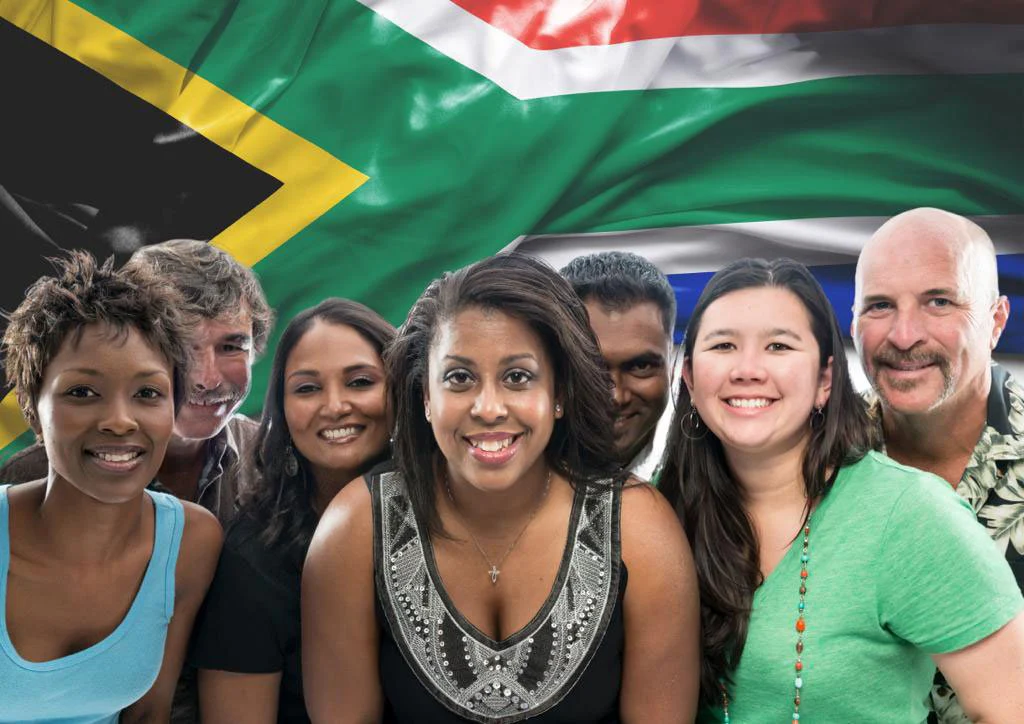
Missing Voices
Rural communities, indigenous language speakers, working-class families, and LGBTQ+ identities outside urban norms are systematically absent. Invisibility on screen reinforces invisibility in society.